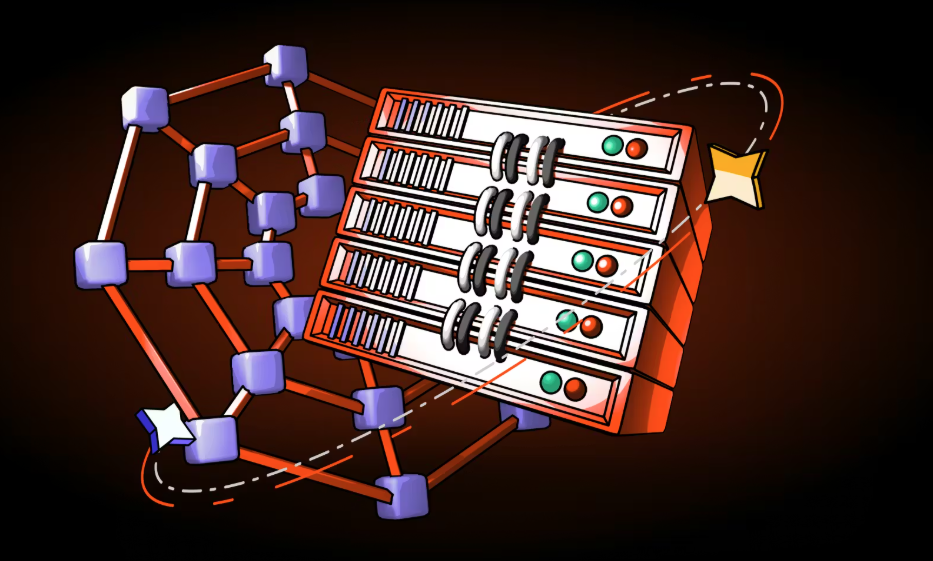
In blockchain systems, security and scalability must be weighed with caution. A defense-first stance prioritizes integrity, tamper resistance, and auditable controls before growth. Consensus choices shape throughput, latency, and trust, often trading some efficiency for robustness. Layered solutions—Layer-1 upgrades, sharding, Layer-2s—offer options, yet each carries tradeoffs and risk. Governance and incentives should align to deter misbehavior and preserve privacy, ensuring predictable, resilient operation even as demands rise; the tension remains a practical limit to push against.
What Security and Scalability Really Mean in Blockchain
Security and scalability are foundational yet competing objectives in blockchain design.
The subtopic clarifies that security considerations entail robust integrity, resistance to consensus manipulation, and controlled risk exposure, while scalability tradeoffs address throughput, latency, and resource demands.
A risk-aware, defense-first stance emphasizes prudent boundaries, auditable controls, and transparent assumptions, even as freedom-loving users seek open, resilient systems with disciplined growth and measurable protections.
See also: Security Risks in a Hyper-Connected World
How Consensus Impacts Throughput, Security, and Trust
Consensus mechanisms shape throughput, security, and trust by defining how blocks are created, validated, and finalized.
They constrain risk by prioritizing robust validation and tamper resistance, even at potential speed costs.
The balance between throughput and trust security hinges on finality guarantees, attacker resilience, and governance.
Clear measures protect freedom while preventing exploitative centralization, enabling resilient, predictable blockchain operations.
Layered Solutions: Layer-1 Upgrades, Sharding, and Layer-2s
Layered solutions address scalability and resilience by distributing workloads across Layer-1 upgrades, sharding, and Layer-2 protocols.
The approach weighs scaling tradeoffs with risk awareness, emphasizing robust governance dynamics and defense-first controls.
It seeks freedom through modularity while preserving security; caution guides integration, monitoring, and rollback plans, ensuring dependable operation and predictable behavior amid evolving threat models and architectural choices.
Balancing Economics and Incentives for Reliable Systems
Balancing economics and incentives is essential to sustain reliable blockchain systems, where tokenomics, governance payouts, and fee structures must align long‑term security with participant behavior.
The framework emphasizes security economics and prudent incentive design to deter misbehavior while enabling open participation.
Risk-aware governance embeds resilience, ensuring sustainable incentives without compromising autonomy, privacy, or core freedoms in a decentralized landscape.
Frequently Asked Questions
How Do Different Threat Models Affect Practical Security Guarantees?
Threat modeling shapes practical security guarantees by identifying adversary capabilities, assets, and assumptions; it drives defense priorities, clarifies residual risk, and informs acceptable trade-offs, ensuring robust protections while preserving system freedom and operational agility.
What Trade-Offs Exist Between Latency and Finality in Networks?
Coincidence threads through topology as latency trades finality; networks must balance throughput versus latency while preserving predictable resolution. The system favors risk awareness, defense-first choices, and freedom-minded design, acknowledging latency constraints and prioritizing robust, timely finality.
Can Quantum Resistance Be Future-Proofed Without Sacrificing Performance?
Quantum resilience can be achieved with layered, conservative upgrades, though there is a measurable Performance impact; risk-aware observers emphasize defense-first mitigations, balancing freedom to innovate against safeguards to preserve integrity and long-term resilience.
How Do Governance Decisions Influence Long-Term Scalability Outcomes?
Governance decisions shape long-term scalability by shaping incentives and standards; governance dynamics influence upgrade paths, risk budgets, and resilience. They require disciplined, defense-first risk awareness, with multi chain coordination preserving freedom while reducing systemic fragility and cross-chain conflict.
What Are Real-World Costs of Layer-2 Security Incidents?
Layer 2 security incidents incur substantial incident costs, including restitution, forensic analysis, downtime, and user fund losses, with risk-aware safeguards emphasizing rapid containment and transparent disclosure to preserve user freedom and market confidence.
Conclusion
In the end, security must dwarf speed, or chaos will outpace confidence. Exaggerated as it sounds, a single untamed attack could topple trust and drain resources faster than a thousand fast Layer-2 transactions can rebuild it. A defense-first stance—robust audits, transparent assumptions, and prudent economics—acts as a dam against flood-level risks. Layered solutions must harmonize, never sacrifice guardrails for throughput, ensuring resilient, scalable networks that endure, endure, and endure.
