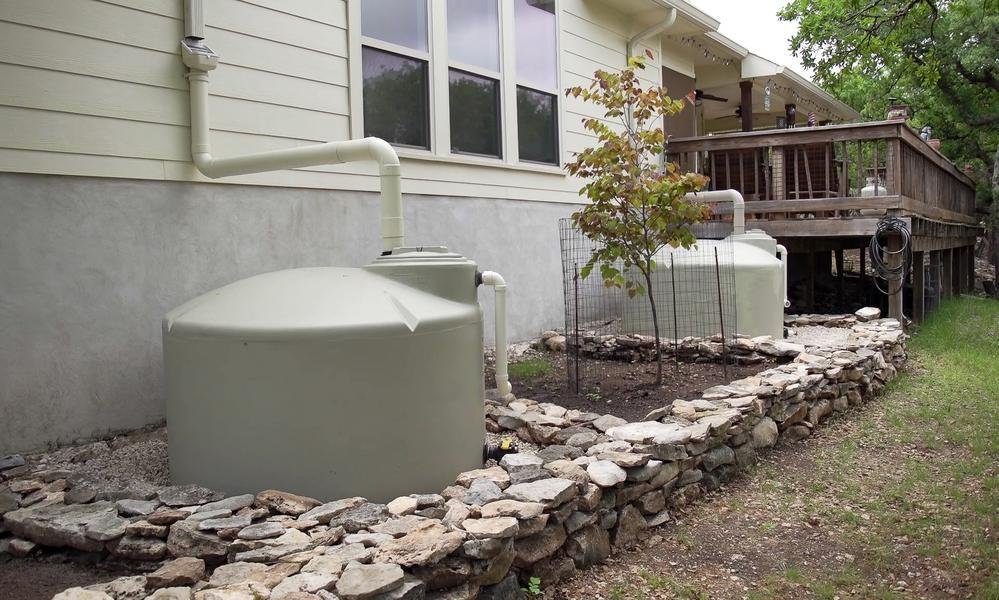
Rainwater harvesting systems for homes integrate catchment, storage, and distribution with validated filtration and safety sequences. The approach emphasizes regulatory alignment, risk management, and scalable design to meet current demand and future expansion. System sizing considers climate, usage, and reliability, while automation supports monitoring and maintenance. The discussion ends with unresolved design choices and compliance questions that warrant careful analysis before proceeding. The implications for resilience and long-term costs merit continued examination.
What Rainwater Harvesting Is and Why It Matters for Homes
Rainwater harvesting is the deliberate collection, storage, and use of precipitation runoff for beneficial end uses, reducing dependency on municipal or well water and enhancing resilience to supply disruptions. This practice supports conceptual benefits and aligns with regulatory awareness. Historical context informs current standards, system boundaries, and risk assessments, guiding homes toward autonomous utility planning while preserving flexibility and freedom within compliant, sustainable water stewardship.
Sizing, Collectors, and Storage: Designing Your System for Today and Tomorrow
Sizing, collectors, and storage constitute the core architectural decisions for a home rainwater system, aligning precipitation capture with projected demand and regulatory constraints. This section applies systems thinking to determine sizing considerations and storage capacity, balancing reliability with cost and space.
Designers assess catchment, tank volume, and seasonality, ensuring compliant, scalable performance while preserving flexibility for future changes in consumption patterns.
Filtration, Safety, and Water Uses at Home
Filtration, safety, and domestic water uses must be defined by validated treatment sequences, regulatory requirements, and risk-informed practices to ensure potable- or non-potable-grade outcomes align with system design.
Filtration safety strategies emphasize layered barriers, certification, and monitoring.
Water uses are determined by target quality, contamination risk, and end-use needs, enabling safe, compliant, adaptable, and sustainable home rainwater applications.
Step-by-Step Setup and Smart Upgrades for Budget and Climate
Given budget constraints and climate variability, a structured, step-by-step setup paired with smart upgrades enables reliable rainwater use while minimizing risk and ensuring regulatory alignment; the approach emphasizes phased installation, performance-focused design, and cost-aware integration of monitoring and automation to maintain safety, quality, and system resilience.
Step by step budgeting informs phased deployment; Climate adaptive upgrades ensure long-term reliability and compliance.
Frequently Asked Questions
How Much Annual Rainfall Do I Need to Justify Installation?
A threshold of annual rainfall around 600–800 mm prompts consideration, though system sizing depends on catchment area, irrigation needs, and storage. Regulatory constraints apply; precise sizing uses rainfall data, runoff coefficients, and reliability targets for credible performance.
Can Rainwater Be Used for Drinking Without Treatment?
Approximately one in ten rainwater samples in some regions exceeds safe drinking levels without treatment. Therefore, drinking safety cannot be assured without water purification; systems must meet regulatory standards before considering consumption, prioritizing robust water purification and monitoring.
What Maintenance Schedule Is Required for Gutters and Tanks?
A maintenance schedule is essential; gutters should be inspected quarterly and cleaned biannually, while tanks receive annual internal inspections and filter servicing. Gutter cleaning reduces debris buildup; this practice supports system lifespan, ensuring regulatory compliance and reliable freedom to depend on resources.
Are There Legal Restrictions or Permits for Rain Harvesting?
Legal restrictions and permit requirements vary by jurisdiction; drought exemptions, incentives, zoning rules, and water rights shape compliance. Regulations emphasize safety and system integrity, balancing freedom to harvest with public policy. Authorities assess eligibility, documentation, and ongoing compliance obligations.
How Long Does a Typical Rain Barrel System Last?
A typical rain barrel system lasts 10–25 years, depending on materials, maintenance, and climate. Durability myths surface when components misalign with corrosion factors. Systematic inspection, proper coatings, and regular cleaning support regulatory-aware, freedom-seeking durability.
Conclusion
In the system’s quiet spine, rainwater becomes a measured contract between nature and home. The catchment, storage, and filters stand as guardrails, enforcing compliance with safety standards while enabling precise end-use control. Each valve and sensor is a symbol of risk managed, climate-aware planning, and scalable foresight. As weather patterns shift, ongoing monitoring and phased upgrades keep the flow honest, predictable, and resilient, turning rainfall into a reliable, governed resource for daily living.
